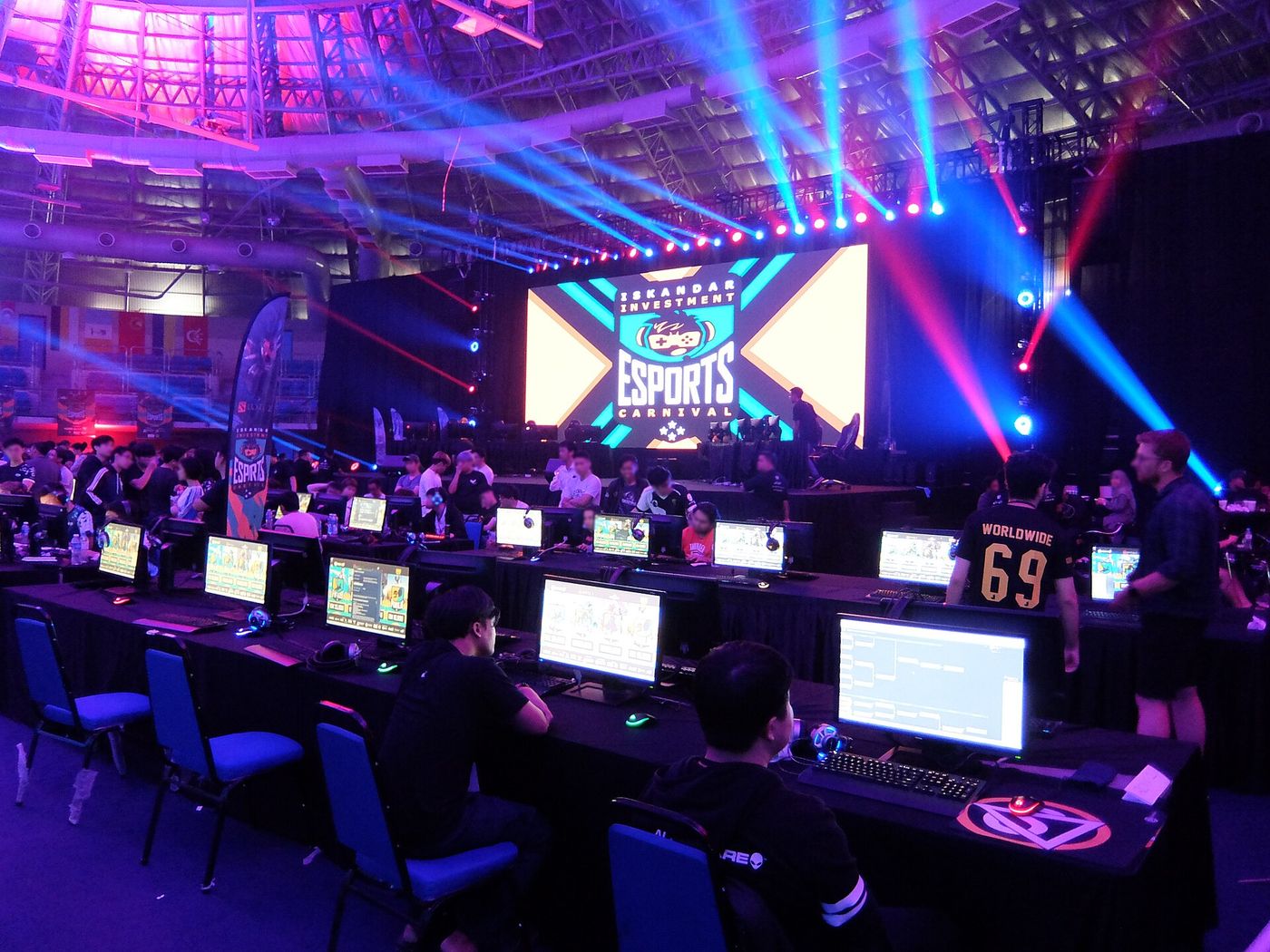
Sold-out arena. Neon lights. Chat flies on screen. Odds jump as a clutch round starts. Cameras pan to a fan in team colors. A brand logo flashes on the desk. A co-streamer screams as the play lands. In that one minute, you can see it all: media, data, and betting move as one. That is where the money now flows in esports.
Money on the table: where the cash comes from
Esports is not a copy of old sports. In football, leagues own the games. In esports, a publisher owns the game IP. That one fact shapes all deals. It sets who can sell rights, who can stream, and who can feed data to sportsbooks.
Today, key income lines are simple to list and hard to split: sponsorships, media rights, publisher fees, tickets and merch, and the piece tied to betting (distribution and “official data”). The mix shifts by title and region. Some top events still lean on brand money. Others pack a strong media bundle and a data add-on. For a current high-level view on revenue lines and growth, see the latest Newzoo report.
Two maps: audience and rules (with a regional snapshot)
Audience is global, but law is local. Rules on betting and rights differ by country, and at times by state. Streaming habits also change by market. Before we dive into deals, here is a fast snapshot to frame the field. For broader context by region, Deloitte has a helpful overview in Deloitte’s esports insights.
| North America (US/Canada) | US: varies by state; CA: province-led | US state regulators; Alcohol & Gaming Commission of Ontario | 21+ US (often), 19+ or 18+ CA | Twitch, YouTube | VCT NA on open platforms; CDL on YT/Twitch | Bayes, GRID, Sportradar (by title) | Prematch and in-play; micro where legal |
| UK & Ireland | Legal under license | UKGC; Revenue Commissioners (IE) | 18+ | Twitch, YouTube | ESL FACEIT events widely distributed | Bayes, GRID | Strong in-play; mature integrity rules |
| DACH (DE/AT/CH) | Legal with strict rules (DE); varies (AT/CH) | German Länder bodies; Swiss cantons | 18+ | Twitch, YouTube | Prime League (LoL) regional rights | Bayes, Sportradar | In-play allowed with limits; lower latency key |
| Nordics | Licensed or state-led models | Spillemyndigheden, Spelinspektionen, etc. | 18+ | Twitch, YouTube | Nordic circuits across open platforms | GRID, Bayes | Live focus; microbetting in some markets |
| Southern Europe | Legal with tight ads rules | ADM (IT), DGOJ (ES), ANJ (FR) | 18+ | Twitch, YouTube | National leagues with local partners | Bayes, Sportradar | Prematch solid; live limited by law in places |
| Eastern Europe | Mixed; some liberal, some strict | National regulators | 18+ | Twitch, VK, YouTube | Regional CS circuits on open feeds | GRID, Sportradar | High CS share; in-play strong where legal |
| MENA | Often restricted; pocket licenses | National authorities | 21+ or 18+ | YouTube, Twitch | Publisher-led events; local TV pilots | Varies by title | Focus on prematch; live limited |
| SEA | Patchwork by country | PAGCOR (PH), etc. | 21+ or 18+ | Facebook, YouTube, Twitch | MLBB and VALORANT strong regional rights | Bayes, GRID (select) | Mobile-first live; micro on big plays |
| East Asia (KR/JP) | KR: limited betting; JP: strict | MSIT (KR), National bodies (JP) | 19+ KR, 20+ JP (varies) | AfreecaTV, Twitch, YouTube | LCK pro league; JP domestic leagues | Publisher-led | Betting niche; media rights premium |
| China | Betting banned; media tightly managed | State media rules | 18+ | Huya, DouYu, Bilibili | LPL on domestic platforms | Publisher-held | No legal betting; rights drive value |
| LATAM | Reforms in motion; some legal | National regulators | 18+ | Twitch, YouTube | CBLOL, regional CS and VAL events | Bayes, GRID (select) | Live betting grows with soccer tie-ins |
| Oceania | Legal under license | State bodies (AU), DIA (NZ) | 18+ | Twitch, YouTube | ANZ circuits on open streams | Varies | Prematch stable; live common |
Note: Viewership data can swing by event and platform. For match-by-match peaks and AMA, use verified viewership data from Esports Charts.
How an esports media deal really works
Who owns what? The publisher owns the game. A tournament operator runs the event under a license. Rights then split by layer: live, VOD, short clips, highlights, and co-streams. Rights can be exclusive or not, global or geo-blocked. Clauses now often include KPI floors for minutes watched, sponsor slots, and brand safety. Some bundles also tie in data supply to betting partners. For policy on co-streaming in one top title, see Riot’s co-streaming policies.
Betting’s quiet shift: products and margin
Prematch was step one. Live betting is now the core. Microbetting adds speed: who takes first blood, who wins the next round, who plants the spike. Player props sit on top. All this needs low delay and clean feeds. If the video lag is high, in-play odds get hit. If data lags, risk grows. That is why “official” feeds matter so much.
Live models need trusted prices and alerts. Many books lean on partners for both. A good place to see how this stack looks is in-play data and integrity services by Sportradar.
Three short cases
Case A — a global major
A top CS event runs over two weeks. The main feed sits on Twitch and YouTube. Dozens of co-streamers go live in many languages. Sponsor logos sit on desk, on HUD, and in break rolls. The handle jumps in semi-final days. Co-streams pull new fans in and help long watch time. For business angles on such deals and brand plays, scan Sports Business Journal coverage.
Case B — a regional league with local rights
A mid-tier league sells non-exclusive rights in one language to a regional media site. The same event streams free on global platforms. The local partner adds shoulder shows and memes. That local layer lifts watch time per user. It also adds ad slots in local breaks. Betting in that market gets a bump on live maps and pistols. See recent moves and press in ESL FACEIT rights announcement posts.
Case C — a cross-platform bundle with data
A publisher, a tour operator, and a data firm join. The media rights are open, but the official data is exclusive to one or two feeds. The bundle sets clear SLAs on latency and outages. It sets bet stoppage rules for tech pauses. It also defines clip rights for partners. For examples of broad distribution choices, check the BLAST media rights deal releases.
“Official data” and the race to supply it
Official data means rights to collect, process, and sell live match data with the blessing of the IP owner or operator. The feed aims to be fast, full, and in sync with anti-cheat checks. It lowers fraud risk and lets books price deep live markets. For a view of who holds which deals, see Bayes Esports official data partnerships.
CS and VAL titles lean on event-side capture and server hooks. Some vendors add computer vision for backup. Data is scored by latency, accuracy, and uptime. If a vendor misses SLAs, operators pay with wider lines and lower limits. To see how infra and pipelines are built, read GRID’s data infrastructure posts.
Integrity and compliance: where the market can break
Match-fixing risk is real. Tier-two scenes see most alerts. Teams need pay on time, clear rules, and bans for foul play. Books need KYC, AML, and real-time alerts. Tournament ops need pause and report flows. A good hub for cases and guidance is the ESports Integrity Commission (ESIC). They track probes and issue notices.
Books and data firms also join global monitors. Cross-sport alerts help find odd spikes and flag bad actors. For live, cross-operator signals and trends, see IBIA integrity reports.
Regions don’t rhyme: US, Europe, Asia
United States. Legal status is state by state. Some states list esports by name. Some fold it into “sports.” Others still ban it. Tax and hold rules vary too. This shapes markets you can offer and what promos you can run. Policy trackers and primers live on the AGA on US sports betting site.
United Kingdom. Esports betting sits under the same core law as sports. Ads, age checks, and safer-gambling rules are strict. Markets are deep, but scrutiny is high. Read the regulator’s take here: UKGC guidance on esports betting.
Asia. East Asia has very tight rules on betting. In China, betting is banned; in Korea and Japan, rules are narrow. Media rights, though, can be rich. Local platforms hold strong sway, and publisher control is firm. In SEA, laws differ by country. Mobile-first titles boost live interest, and micro markets grow where rules allow.
The role of streaming: from exclusives to co-streams
Five years back, some events tried hard exclusives. Today, open access plus co-streams is common. Why? It drives reach, and reach drives sponsor value and brand-safe spend. Co-streamers add local voice and memes. They also spark live chat, which keeps fans on stream. Policy shifts from platforms also matter. See a recent Twitch policy update for how the rules move.
YouTube keeps a seat at the table with live and VOD depth, better search, and stable quality. Some leagues pick YouTube for on-demand reach and content ID tools. Read more on the YouTube on live esports blog.
Where interests clash
Who should get paid for what? The publisher owns the game. The operator runs the event. Teams bring stars. Platforms bring users. Books bring a betting audience and data cash. Tension shows up in three places: who sells rights, who gets clip revenue, and how data is licensed. Disputes rise when third parties resell clips or scrape data. For a window into how one publisher frames tour rights, scan Valve’s stance on tournament rights.
Most deals now try to align shares: media cash plus a data fee, with clear SLAs and fair-use clip rules. When the bundle aligns, you get stable shows, better odds, and safer play for fans.
What changes next: scenarios for 2026–2030
Base case. More regions regulate esports betting inside broader sports rules. Data bundles get tighter. Co-stream rights come with guardrails and brand safety tools. Latency drops via better server links and edge nodes. Live markets grow.
Bear case. A wave of match-fix cases hits mid-tier scenes. Some regions pull back on live or micro. Publishers clamp down on rights and data. Growth slows and shifts to top-tier events only. For research on risk and policy, the UNLV research on esports wagering library is a solid base.
Bull case. Low-latency video at scale becomes normal. Computer vision adds robust backups. More states and countries legalize esports betting. Publisher-led leagues sign long media-and-data bundles. Co-stream ads get better controls. Microbetting share jumps on big titles.
Field guide: what operators, rights-holders, brands, and bettors can do
For operators
- Run due diligence on data partners. Check latency budgets, uptime SLAs, and integrity stack.
- Build clear bet-stop rules for tech timeouts, server restarts, and round resets.
- Price with official feeds where you can. If not, cap limits and watch delay.
- Invest in UX: low video lag, fast bet slip, and smart markets by title.
For rights-holders (publishers and tournament operators)
- Model media + data as one P&L. Value clip rights and co-stream slots.
- Set co-stream rules and brand safety tags. Offer sponsor-safe tools.
- Share integrity costs across partners. Make alerts and sanctions public.
- Pilot local-language windows with added shows to lift watch time.
For brands
- Buy across main feed + co-streamers. Ask for viewability and brand-safety reports.
- Tie creative to in-game moments. Short, smart, and native beats long ads.
- Score partners on audience fit and moderation quality, not only on peaks.
For bettors
- Use licensed books only. Check their data source and integrity partners.
- Avoid betting when streams lag or when a match has long tech pauses.
- Set limits. Do not chase. Know the rules for your region.
If you compare regulated options in your market, a simple place to start is casinoarena.se. It helps you see licensed choices and read plain info before you sign up.
Side note: what counts as “official data”?
It is the live match data that an IP owner or event operator has licensed to collect and sell. It should have server-level access, clear timestamps, and audit logs. It should sync with anti-cheat. It should ship with uptime targets. If a feed lacks these, it is not “official,” and risk grows for all sides.
FAQ
How do esports media rights differ from traditional sports rights?
In sports, a league or federation owns most rights. In esports, the publisher owns the game IP. That shifts power. Many events run under a license, and rights can be more split across live, VOD, clips, and co-streams. Bundles often include data rights too.
What is “official data” in esports and why does it matter?
It is a licensed live feed of match data from the source. It lowers latency and errors, and helps fight fraud. It lets books price in-play and micro markets with less risk. See current partners lists at Bayes, GRID, and Sportradar in the links above.
Is esports betting legal in the US and UK?
US: it depends on the state. Some allow it, some ban it, some list it under sports. UK: it is legal with a license and strict safer-gambling rules. Always check local law and the operator’s license.
Do co-streams hurt media-rights value?
Often no. When managed, co-streams add reach and local voice. Sponsors like that. The main feed still anchors the show, but the long tail lifts total minutes watched. Rights can be priced for that.
What risks do operators face without integrity partners?
Higher fraud risk, slower alerts, wider lines, lower limits, and more exposure to match-fix cases. It can also draw regulator action. Integrity ties are a must for live and micro.
Methodology and sources
This article blends public sources (press, regulator sites, vendor posts) and market practice known across the sector. We cite primary pages where possible: Newzoo, Deloitte, Esports Charts, Riot Games, Sportradar, ESL FACEIT Group, BLAST, Bayes Esports, GRID, ESIC, IBIA, AGA, UKGC, Twitch, YouTube, Valve, and UNLV. Laws change often. Always verify current rules for your region.
Responsible gambling: for advice and help, see BeGambleAware (UK) and the NCPG (US).
Disclaimer: This is not legal or betting advice. Esports wagering is for adults only and may be illegal where you live.
Last updated: May 22, 2026
Partner content is provided by third parties and published on Utah Latinos. It is not written by the Utah Latinos desk. About partner posts.
From the Utah Latinos desk
Front page
Utah Driving Privilege Card: Who Qualifies and How to Apply
What the Utah Driving Privilege Card allows, who qualifies, and the documents, fingerprints and tests the Driver License Division asks for.
Explainer · 2 min read
Mexican Consulate in Salt Lake City: Appointments and IDs
How Mexican nationals in Utah book a consular appointment and prepare for a passport, a matricula consular or a birth registration.
How-to · 2 min read
Utah In-State Tuition for Undocumented Students: Who Qualifies
A 2002 Utah law lets some students without lawful immigration status pay resident tuition at public colleges if they meet high school and affidavit rules.
Explainer · 2 min read