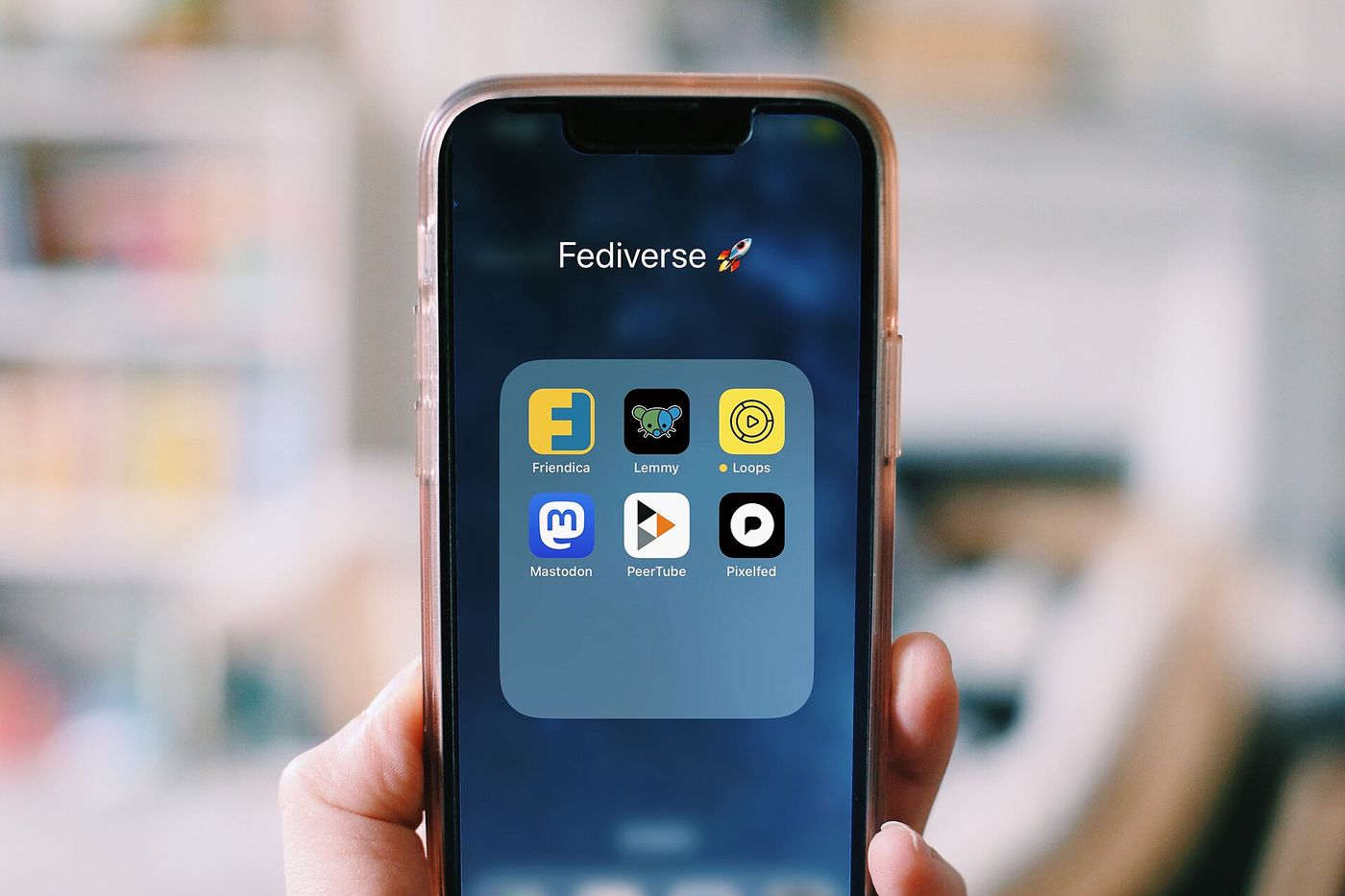
The clock shows 1:37 in the second quarter. Your TV shows a quick huddle. Your phone buzzes. A push says the star point guard limped to the bench. At the same time, your sportsbook lights up: “Next possession: three-pointer? Yes/No.” Two screens. One choice. Five seconds to act. You feel it: the news pulse and the betting window now live inside the same breath.
This is not just a trend. It is a new loop of attention. News sparks a thought. Odds open a door. You step through, or you pass. In this guide, we map how microbetting and second-screen news feed each other, what tech makes it fair, when it gets risky, and how to keep control of your time and money.
Microbetting, in plain words
Microbetting means very small, very fast bets on what happens next. Think “next pitch: strike or ball,” “next point: server wins,” “next play: run or pass.” It is not the same as just “live betting.” Live betting can be bigger markets, like “who wins” or “total points.” Microbets sit inside the game, one short moment at a time.
Why do people like it? It fits the rhythm of modern watching. It keeps you engaged. It feels like a quiz with a timer. For operators, these tiny windows can add up. The handle spreads over many events; the hold can be steady; the session length grows. For a sector view, see the American Gaming Association on in‑play betting.
Researchers also look at how fast, high-frequency bets affect player behavior, both fun and risk. A helpful hub is the peer‑reviewed Journal of Gambling Studies, which tracks work on decision speed, impulse, and harm reduction.
Field note: timing and “market freeze”
Over three game nights, I tested three apps. I ran a simple stopwatch next to a TV feed and a mobile stream. I logged each time a market froze. On mobile streams, I saw 5–8 seconds of delay vs arena time. On TV, 3–6 seconds. “Next point” markets in tennis froze often during changeovers and medical checks. “Next pitch” markets froze during mound visits. In all cases, when the push alert hit first, odds moved within 1–3 seconds. These gaps matter. We will come back to why.
Second-screen news: the habit that stuck
Second‑screen news means you follow news, social posts, or live blogs on your phone while you watch something else. Sports made this common. Breaking news did the rest. Now it is a default: the game on one screen, the stream of facts and takes on another. For a broad, global look at news use on mobile and social, the Reuters Institute Digital News Report 2024 is a strong baseline.
People lean on notifications. They tap short cards. They follow topics, not just outlets. In the U.S., the Pew Research Center on mobile news habits shows how often users check phones first and expect quick, snackable updates.
Regulators and audience bodies map the same shift in the UK. See Ofcom’s Online Nation research for how people split attention across apps. TV measurement firms echo this drift into multi‑device time; Nielsen insights on cross‑platform viewing give further context.
Where the two trends meet: a short loop of signal and spend
Here is the core loop. A news signal drops: injury, lineup swap, weather note, coach’s challenge. Interest spikes in the next play. The book opens or adjusts a micro market. You get a short window. You make a call, or not. Then it resets. This loop can repeat dozens of times per game.
Data speed and integrity services make this possible. Leagues and books use tools like Sportradar integrity and real‑time data to set prices, flag odd moves, and keep feeds synced.
When markets react to a fast fact, risk teams also watch for unfair edges. The International Betting Integrity Association tracks unusual patterns across members. This is key when info from the court or dugout can leak seconds early.
Why is the loop so sticky? Because we spend more time than ever in mobile apps during live events. Benchmarks from data.ai on time spent in mobile apps show steady gains, and live sports nights are often peaks. Microbets slot right into that time.
Microbet markets vs attention, latency, and risk
Not all micro markets are equal. Some need near‑zero lag and full focus. Others allow a bit more slack. The table below sums up common types, their latency tolerance, the attention they ask for, what news sparks them, and how sensitive they are to courtside info.
| Next pitch (baseball) | < 3s | High | Pitching change, mound visit, weather | High (courtsiding risk) | Medium–High (8–15%) | Frequent suspensions; count updates |
| Next play (NFL) | 3–5s | High | Injury alert, timeout, coach challenge | Medium–High | Medium (6–12%) | Delay after flags; price jumps |
| Next point (tennis) | 1–3s | High | Medical timeout, slip, serve speed note | High | Medium (6–12%) | Score feed lag; sudden freezes |
| Next basket (NBA) | 3–7s | Medium–High | Foul trouble, rotation change, pace | Medium | Medium (6–11%) | Whistle stops; replay reviews |
| Short‑window props (e.g., 5‑min total) | 5–10s | Medium | Lineup swap, weather, momentum | Medium | Low–Medium (4–9%) | Clock issues; partial voids |
| Next over (cricket) | 3–6s | Medium | Bowler change, field set, light/rain | Medium–High | Medium (6–12%) | Over start delays; DLS effects |
| Face‑off outcome (hockey) | 2–4s | High | Line change, injury, altitude fatigue | Medium | Medium (6–11%) | Penalty stops; quick restarts |
Indicative ranges only; products vary by operator and sport. For a policy lens, see the UK Gambling Commission on in‑play betting guidance.
The tech under the hood: latency rules everything
Latency is the gap between the real play and what you see or what the app uses. Every step adds delay: camera to encoder, CDN hops, your device, the odds feed, and risk checks. For microbets, a few seconds can flip fair to unfair.
Streaming stacks now chase “near live.” Tech like Low‑Latency HLS cuts the glass‑to‑glass time. See AWS on Low‑Latency HLS for how chunked transfer helps.
CDNs and real‑time vendors explain the trade‑offs: speed vs scale vs stability. Good primers include Akamai on low‑latency streaming and Phenix real‑time streaming. Even with fast video, the odds feed must sync to the same clock. If one is early, the other must pause. If not, integrity suffers.
Risks and lines you should not cross
Integrity first. Courtsiding (using in‑arena info a few seconds early) can break markets like “next point.” Books and leagues ban it. So do many amateur bodies. For context, read the NCAA sports wagering policy.
Law also sets limits, case by case. In the U.S., each state has its own rules. A good example of a clear, strict approach is the New Jersey Division of Gaming Enforcement. Check your local rules. This is not legal advice.
Responsible play matters even more with short windows. Fast bets add stress. They can push impulse. If you need help, start with BeGambleAware resources (UK) or the National Council on Problem Gambling (US). Set limits. Take breaks. Turn off some alerts.
The business side: how micro moments make money
Microbets can lift time‑in‑app, raise session count, and add many small decisions. That can grow revenue if done with care. For a wide view of where sports, media, and tech meet, see the Deloitte sports industry outlook.
News apps also see gains. Companion content around live events can boost retention and ad yield. Cross‑sell to subs or merch can ride the same moments. For strategies and case studies, browse McKinsey on sports media monetization.
Data rights and fan tools now sit at the heart of this. Odds, stats, and media need to sync and stay fair. One view of how vendors build engagement is here: Genius Sports data‑driven fan engagement.
Interlude: two voices, one minute
We asked a live‑odds trader: “What freezes a market most?” He said, “Ambiguous states. Flags, VAR, timeouts. We freeze to protect both sides. It is not delay for profit. It is delay for clarity.”
We asked a news editor: “What alert moves users?” She said, “Clear, short, near real‑time. ‘Star X to locker room’ beats ‘Developing: possible issue.’ People act on facts, not vibes.”
Both add the same note: sync matters. If the world sees an event before the app does, trust drops fast.
How to pick microbet‑friendly apps and info sources
Use a simple checklist:
- Latency: does the stream stay within 3–5 seconds of live?
- Market behavior: how often do “next” markets suspend? Are rules clear?
- Limits and RG tools: can you set deposit, loss, and time limits?
- News quality: are alerts fast, verified, and not clickbait?
- Transparency: are price moves and void rules explained?
- Support: quick help when markets mis‑settle or feeds lag?
Payment safety also counts. If you use wallets like PayPal, check fees, limits, and buyer rules. For a clear Spanish‑language guide on this topic, see es seguro usar PayPal en un casino online. It walks through safety points, common checks, and what to do if a payment fails.
One more tip: test your setup on a low‑stakes night. Log your stream delay with a stopwatch app. Note when markets freeze and why. Trim your alerts to high‑signal sources only. A clean setup beats any “gut feel.”
What could slow this rise (and what could speed it up)
Four brakes can hit hard:
- Tougher in‑play rules from states or leagues after an integrity case.
- Wider streaming delays due to rights, ad load, or network strain.
- Platform limits on push alerts or live odds widgets.
- Public trust shocks from match‑fixing or courtsiding stories.
A contrarian take: better data design can speed growth the right way. Tighter clocks across video and odds. Clearer rules on voids. Lower, steadier holds on popular micro markets. Smarter alerts that carry facts, not noise. These moves build trust, which builds use.
Conclusion: two screens, one decision loop—use it with care
Microbetting grew because it fits how we now watch and read. News on one screen lights the fuse. A short‑window market on the other offers action. This loop can be great fun. It can also be taxing. Your edge is not a tip; it is your setup: fast, synced, and quiet enough to think.
Set limits. Pick good sources. Learn when to pass. And if you ever feel the loop pulling too hard, step out. The next play will still be there.
Disclosure: We may include references to third‑party resources. We do not give legal or financial advice. Gambling is for adults only and may be illegal in your area; check local laws. If you need help, contact your local support line or visit BeGambleAware (UK) or NCPG (US) linked above.
Partner content is provided by third parties and published on Utah Latinos. It is not written by the Utah Latinos desk. About partner posts.
From the Utah Latinos desk
Front page
Utah Driving Privilege Card: Who Qualifies and How to Apply
What the Utah Driving Privilege Card allows, who qualifies, and the documents, fingerprints and tests the Driver License Division asks for.
Explainer · 2 min read
Mexican Consulate in Salt Lake City: Appointments and IDs
How Mexican nationals in Utah book a consular appointment and prepare for a passport, a matricula consular or a birth registration.
How-to · 2 min read
Utah In-State Tuition for Undocumented Students: Who Qualifies
A 2002 Utah law lets some students without lawful immigration status pay resident tuition at public colleges if they meet high school and affidavit rules.
Explainer · 2 min read