Utah Low-Cost Health Clinics
Uninsured Spanish-speaking adults in Utah can get primary care at community health centers that charge by income and must offer free language help.
Utah Latinos Desk ·Uninsured Spanish-speaking adults in Utah can get primary care at community health centers that charge by income and must offer free language help.
Utah Latinos Desk ·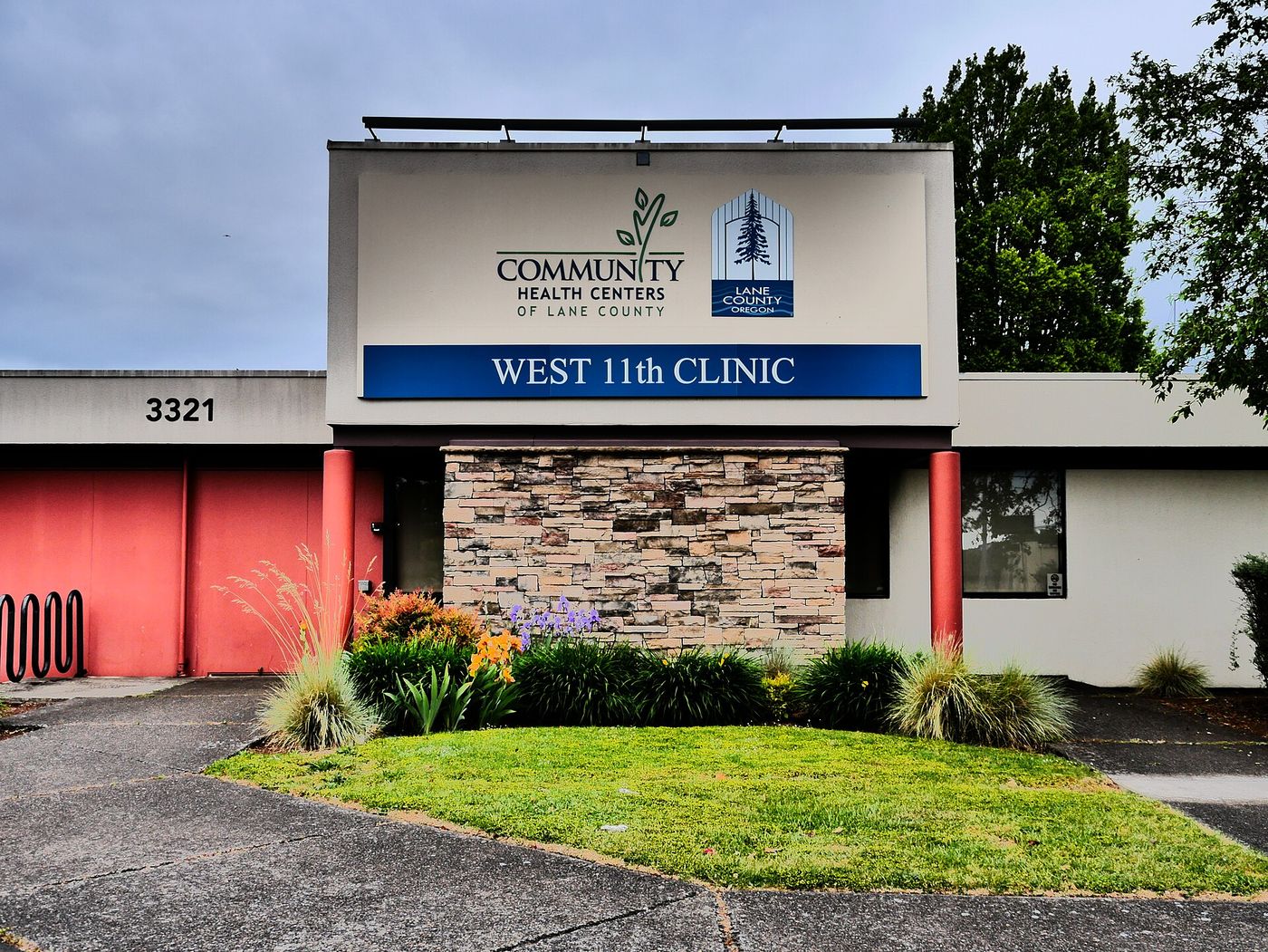
Uninsured Spanish-speaking adults in Utah can get primary care at federally funded community health centers, also called federally qualified health centers. These clinics provide care regardless of a patient's ability to pay and use a sliding fee scale based on income. To find the nearest one, search the official Find a Health Center directory from the U.S. Health Resources and Services Administration (HRSA).
Community health centers are nonprofit clinics that receive HRSA funding to offer primary and preventive care in areas with high need. You do not need health insurance to be seen. Many also offer dental care, behavioral health and low-cost pharmacy services, and patients who do have Medicaid, Medicare or private insurance can use it there.
In Utah, the Association for Utah Community Health, the state association for these clinics, describes 14 health center organizations running dozens of clinic sites around the state. Examples include:
HRSA requires each health center to run a sliding fee discount program based only on household income and family size, compared with the Federal Poverty Guidelines:
The actual fees are set by each health center under these federal rules, and the poverty guidelines change every year. Ask the front desk for the sliding fee application, and check which proof of income and household size the clinic accepts before your visit.
Health programs that receive federal health funding, including community health centers, must take reasonable steps to give people with limited English proficiency meaningful access under Title VI of the Civil Rights Act and Section 1557 of the Affordable Care Act. Language help must be free of charge. The clinic should not rely on a relative or friend you bring to interpret unless you ask for that and it is appropriate, and should use a child only in an emergency while a qualified interpreter is found. If you believe you were denied language help, you can file a complaint with the HHS Office for Civil Rights.
The practical takeaway: search the HRSA directory by your address, check the clinic's own website for hours and services, and when you call or visit, ask for a Spanish-speaking staff member or a free interpreter and for the sliding fee application.
General information, not legal, tax or immigration advice. Rules and fees change — check the official source before you act. Spot an error? Tell the desk.
What Utah law says about repairs, security deposits and eviction notices, and where tenants in Salt Lake County and statewide find free help.
Explainer · 3 min readThe 2020 Census counted nearly half a million Hispanic or Latino Utahns, a young and fast-growing community concentrated along the Wasatch Front.
By the numbers · 2 min readBefore paying anyone for immigration paperwork in Utah, know who is allowed to give legal advice and how to check them.
Explainer · 2 min read