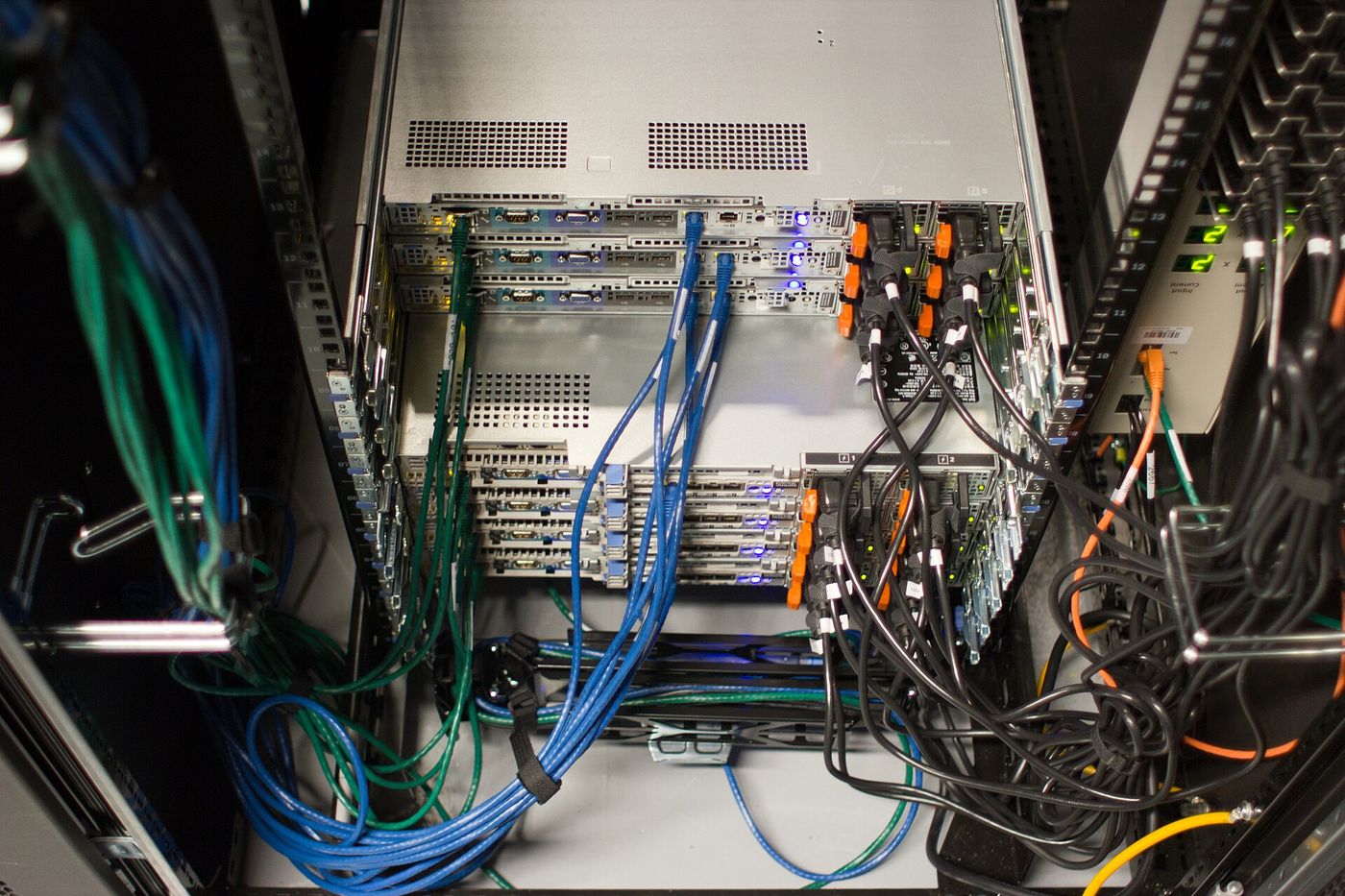
Live view on recent hacks, clear steps for players and operators, and a plain guide to read breach notices without panic.
Jump to: For players • For operators • Recent breach table
What just happened?
In the last few years, gambling brands have seen bold attacks. Hotels, sportsbooks, online casinos, and vendors were hit. Some sites went dark. Call centers got jammed. In some cases, data sets with names and other info were taken. In others, login sessions were stolen and cash moved out fast.
One high‑profile case is the MGM Resorts 2023 ransomware incident. Reports say the attackers tricked support, got into the identity system, and spread inside the network. Slot floors and hotel systems had trouble. It shows how a helpdesk playbook can be a weak spot if it is easy to bypass.
At the same time, reporting on the Caesars Entertainment breach points to a social push on a vendor and a fast ransom. The lesson is not only about firewalls. It is about people, partners, and how we verify a request. When a bad actor can talk their way into an admin reset, tools alone will not save the day.
Why gambling is a prime target
Gambling holds money, but that is not the only prize. These sites also store identity data, contact data, payment tokens, bet history, and device prints. Accounts can have cash balances and bonus value. Attackers can flip them into clean money by fast bets, promo abuse, or peer‑to‑peer trades. They also know that many users share passwords across apps. This makes the first step easy if there is no strong multi‑factor.
There is also noise. Aggressive ads, huge sign‑up peaks, and many partners (KYC, pay, CRM, email) make a wide attack surface. The Verizon Data Breach Investigations Report keeps showing that social tricks and stolen creds stay top causes. For gambling, add bots for account takeover, support scams, API leaks, and weak resets. If your help desk can kill MFA with two “secret” answers, your lock is not a lock.
Fallout map: what breaks after a breach
After a breach, the pain spreads. Users face account theft, card fraud, spam, or spear‑phish. Brands face downtime, support load, legal cost, and lost trust. If the breach hits payment flows, even short stops can cause big loss. If it hits ID systems, every app tied to that login may be at risk.
Regulators also look close. In the UK, the regulator can fine for weak controls or poor care of players. See UK Gambling Commission enforcement actions for the tone and recent moves. The bill may not be only a fine; it can be an action plan, audits, and public notes that live online for years.
How breaches happen now
Most incidents start simple. A fake call to support. A crafted email with a bonus lure. A text with a “verify now” link. Or bots that try leaked passwords from old breaches. Once in, attackers hunt for a path to higher rights, a token, or a key. Then they move fast.
- Social engineering of helpdesk or identity provider (IDP) resets.
- Credential stuffing on login, then SIM swap to break SMS codes.
- Weak MFA policies; easy reset flows; no hard “step‑up” checks.
- API leaks and poor app session rules on mobile and web.
- Third‑party vendor hits (email, CRM, marketing, KYC, pay processors).
To map attacker playbooks, see MITRE ATT&CK techniques. For web and app flaws that still bite, read the OWASP Top 10 for web application security. These two lists help teams speak a common language and patch the right gaps first.
The table you actually want: recent breaches and lessons
Here is a quick view of recent, well‑covered cases. Dates and vectors are “best effort” from public reports. Some parts may change as probes end. Use the “Lessons” cell as a short to‑do list.
| MGM Resorts (Sept 2023) | Social engineering of support; IDP access; lateral movement | Operational systems disrupted; some data claims in reports | US; major brand‑wide impact | Wired | Days of downtime; recovery costs; public scrutiny | Players: watch for phish. Operators: lock helpdesk flows; harden IDP; break glass only with proof. |
| Caesars Entertainment (Sept 2023) | Vendor social engineering; access to internal systems | Customer data per disclosure; ransom reported | US; broad customer base | KrebsOnSecurity | Ransom reportedly paid; investigation; notices sent | Players: enable MFA; rotate passwords. Operators: vendor security reviews; tighter scopes and keys. |
| BetMGM (Dec 2022) | Reported database exposure; details varied by source | Personal data; contact details; some account info | US; many users affected | BleepingComputer | Notice to users; monitoring; legal follow‑up | Players: check email in breach lists; watch for fraud. Operators: data classification; least privilege to DBs. |
| DraftKings (Nov 2022) | Credential stuffing on user logins | Account access; funds drained from some users | US; losses in six figures | The Verge | Password resets; refunds; added checks | Players: unique passwords; app‑based MFA. Operators: bot defense; anomaly alerts; lockouts with care. |
| FanDuel (Feb 2023) | Third‑party email vendor breach; phish risk | Email addresses; targeted messages to users | US; phish wave post‑incident | The Record | Security notice; advice to users; reset prompts | Players: never click promo links; use app. Operators: vendor due diligence; DMARC; brand‑monitoring. |
| Stake.com (Sept 2023) | Hot wallet compromise (crypto) | Digital assets drained from hot wallets | Global crypto casino users | BBC News | Funds moved; operations resumed; review of wallet ops | Players: prefer cash‑out fast; avoid long hot balance. Operators: cold storage; withdrawal delays on anomalies. |
How to read a breach notice
Not all notices are equal. Good ones say what data class is at risk, when it happened, how it was found, what steps the firm took, and what you should do now. Weak ones hide key facts with vague words like “customer records.” Look for dates, a clear data list (name, email, phone, address, last four of card, etc.), and how to get support.
For a baseline of what should be in a clear update, see the ICO guidance on personal data breaches. While law varies by place, the core ideas stay: quick notice, honest scope, and steps to cut harm.
For players: do this now if you use gambling apps
- Check your email in breach dumps. Use this safe tool: check if your email appears in known breaches. If you see hits, change passwords on key sites now.
- Use a unique passphrase for every app. A simple pass manager helps. Add app‑based MFA. Avoid SMS if you can.
- Do not click links in bonus emails. Open the app and go to the promo tab. If you must check an email, read the full sender domain first.
- Watch your statements. Set small alerts for card charges and withdrawals. Fast eyes can stop a big loss.
- If ID theft starts, follow the FTC identity theft recovery steps. Save every note. Ask for a fraud alert at credit bureaus where it applies.
- Regional note: many users now play on phones. If you need a clean list to compare app safety basics and support quality, see independent roundups like mobile casino sites Africa. Check if reviews mark MFA by default, breach history, and clear policy on data.
For operators: controls that move the needle
Good security is not a long wish list. It is a short set of strong moves, done well, and done every day. Start with an identity‑first plan. Your IDP is the crown. Lock helpdesk resets with strong proof. Use hardware keys for admins. Turn on adaptive MFA by default. Put all staff behind SSO. Cut access by least privilege. Review tokens and sessions often. Kill old API keys.
- Use the NIST Cybersecurity Framework 2.0 as your map. Keep it small and real: identify, protect, detect, respond, recover. Track gaps and owners.
- PCI is core if you touch cards. Read the PCI DSS 4.0 requirements. Map them to your payment, KYC, and cashier flows.
- Segment trust zones. Put your IDP, pay, and CRM in tight lanes. Use just‑in‑time access. Log everything at the edge and in the core.
- Defend logins. Rate‑limit, device‑bind, and add bot checks. Watch for weird flows: many resets, new devices, sharp geo jumps.
- Third‑party risk. Ask vendors for SOC 2 or a clear control set. Rotate tokens. Limit scopes. Test offboarding for vendors who leave.
- Write runbooks for: helpdesk social calls, lost MFA, ransom emails, and API key leaks. Drill them. Measure time to detect and to lock down.
One more tip: when users compare brands, many look for plain notes on security and past incidents. Place a short, human “Security at a glance” box on each product page. List MFA, known breaches (with dates), and how you respond to fraud. This builds trust before a crisis and cuts panic during one.
Regulations and reporting: what the rulebooks say
Rules differ by region, yet the core is the same: protect data, tell people fast, and fix root causes. In the EU and UK, GDPR drives much of the process. Sector regulators add their own flavors for fair play and harm checks. You must also keep an eye on broad cyber trends that change each year.
- Threats and tactics shift fast. The ENISA Threat Landscape sums up recent moves by groups and tools.
- For iGaming hubs, follow updates from regulators like the Malta Gaming Authority announcements. These often flag new duties and fines.
- In the UK and other markets, reporting routes and timelines may be strict. Draft playbooks in peace time so you can meet the clock.
FAQ
What kind of data is at risk in gambling breaches?
Names, emails, phone numbers, addresses, hashed passwords, device data, and in some cases last four of cards or bet history. Full card numbers are rare if PCI rules are in place, but watch for tokens and PII.
Do ransom payments stop leaks?
Not always. Even if a firm pays, copies may exist. Treat any exposed data as out. Act to limit harm at once.
How fast should a company tell users?
As soon as they can give useful facts without hurting the probe. Many laws set strict clocks. Clear, quick, and honest is best.
What should I do if I get a breach notice?
Change passwords, set MFA, watch statements, and be alert for phish. If ID data was exposed, consider a fraud alert with credit bureaus where that is an option.
Credits, sources, and last updated
Methodology: We track public disclosures by operators and vendors. We verify with at least one trusted news source or regulator post. We update the table as new facts come in.
- Wired on MGM 2023
- KrebsOnSecurity on Caesars
- BleepingComputer on BetMGM
- The Verge on DraftKings
- The Record on FanDuel vendor incident
- BBC News on Stake.com hack
- Verizon DBIR
- ICO guidance
- UKGC news
- MITRE ATT&CK
- OWASP Top 10
- NIST CSF 2.0
- PCI SSC
- ENISA Threat Landscape
- MGA news
- FBI IC3
- Have I Been Pwned
- FTC IdentityTheft.gov
Author: Editorial Security Team
Last updated:
Disclaimer: This article is for information only and is not legal advice.
Partner content is provided by third parties and published on Utah Latinos. It is not written by the Utah Latinos desk. About partner posts.
From the Utah Latinos desk
Front page
Utah Driving Privilege Card: Who Qualifies and How to Apply
What the Utah Driving Privilege Card allows, who qualifies, and the documents, fingerprints and tests the Driver License Division asks for.
Explainer · 2 min read
Mexican Consulate in Salt Lake City: Appointments and IDs
How Mexican nationals in Utah book a consular appointment and prepare for a passport, a matricula consular or a birth registration.
How-to · 2 min read
Utah In-State Tuition for Undocumented Students: Who Qualifies
A 2002 Utah law lets some students without lawful immigration status pay resident tuition at public colleges if they meet high school and affidavit rules.
Explainer · 2 min read