Utah Driving Privilege Card
What the Utah Driving Privilege Card allows, who qualifies, and the documents, fingerprints and tests the Driver License Division asks for.
Utah Latinos Desk ·What the Utah Driving Privilege Card allows, who qualifies, and the documents, fingerprints and tests the Driver License Division asks for.
Utah Latinos Desk ·
Utah's Driving Privilege Card (DPC) is not a substitute for a valid government ID or a REAL ID card. It is a restricted driving document for Utah residents who can't establish lawful presence in the United States. The DPC allows its holder to drive a regular passenger vehicle (Class D); it does not cover a commercial vehicle or a motorcycle, and it may not be used as identification by any Utah government entity. DPC holders are not eligible for a commercial driver license or a Utah identification card. It is also not accepted as federal ID, so it can't be used to board a plane.
The DPC is specifically for Utah residents who:
Once you've determined you qualify, gather the documents the Driver License Division (DLD) lists for applicants who are not U.S. citizens:
If you currently hold a driver license from another state or country, bring it as well. By law, DLD sends the fingerprints to the Bureau of Criminal Identification, which checks criminal records databases. Utah Code 53-10-202 also directs the bureau to keep a separate fingerprint file for DPC applicants and cardholders and to inform U.S. Immigration and Customs Enforcement in the cases that section describes; a licensed attorney can explain what this means for an individual case.
At the appointment, applicants take an eye test and a knowledge test, which DLD gives in English only: a 50-question, closed-book test for people never licensed before, or a 25-question, open-book test for those previously licensed. First-time drivers must also pass a skills (road) test, given by DLD or an approved third-party tester.
The DPC is not simply valid for one year from the date of application. It expires on your birthday in the first year after the card is issued, so the first card may last less than 12 months. Renewal can't be done online: holders book an appointment at a Driver License office, bring the current DPC, and bring two new address documents if they have moved. A renewal knowledge test may be required, for example when the card has been expired more than six months.
DLD charges separate fingerprint, licensing and renewal fees, and amounts change. At the time of writing they are listed on the DPC Original and DPC Renewal pages, so check dld.utah.gov before your appointment. The practical takeaway: get the ITIN first, collect two recent address documents, get fingerprinted, and plan to renew every year.
General information, not legal, tax or immigration advice. Rules and fees change — check the official source before you act. Spot an error? Tell the desk.
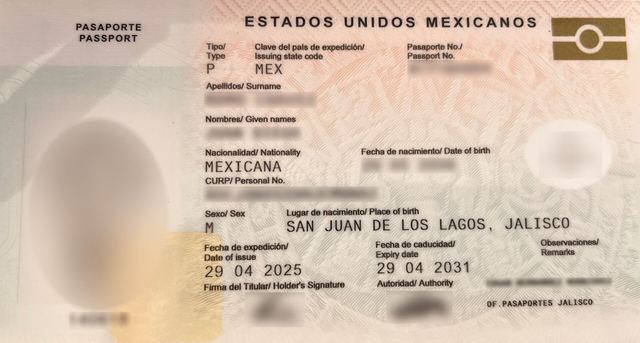
How Mexican nationals in Utah book a consular appointment and prepare for a passport, a matricula consular or a birth registration.
How-to · 2 min readHow Utah workers and families without a Social Security number apply for an ITIN, where documents can be checked, and how renewal works.
How-to · 3 min readHow permanent residents in Utah move from Form N-400 to the oath ceremony, and where to find free classes and accredited help.
How-to · 3 min read