US Citizenship in Utah
How permanent residents in Utah move from Form N-400 to the oath ceremony, and where to find free classes and accredited help.
Utah Latinos Desk ·How permanent residents in Utah move from Form N-400 to the oath ceremony, and where to find free classes and accredited help.
Utah Latinos Desk ·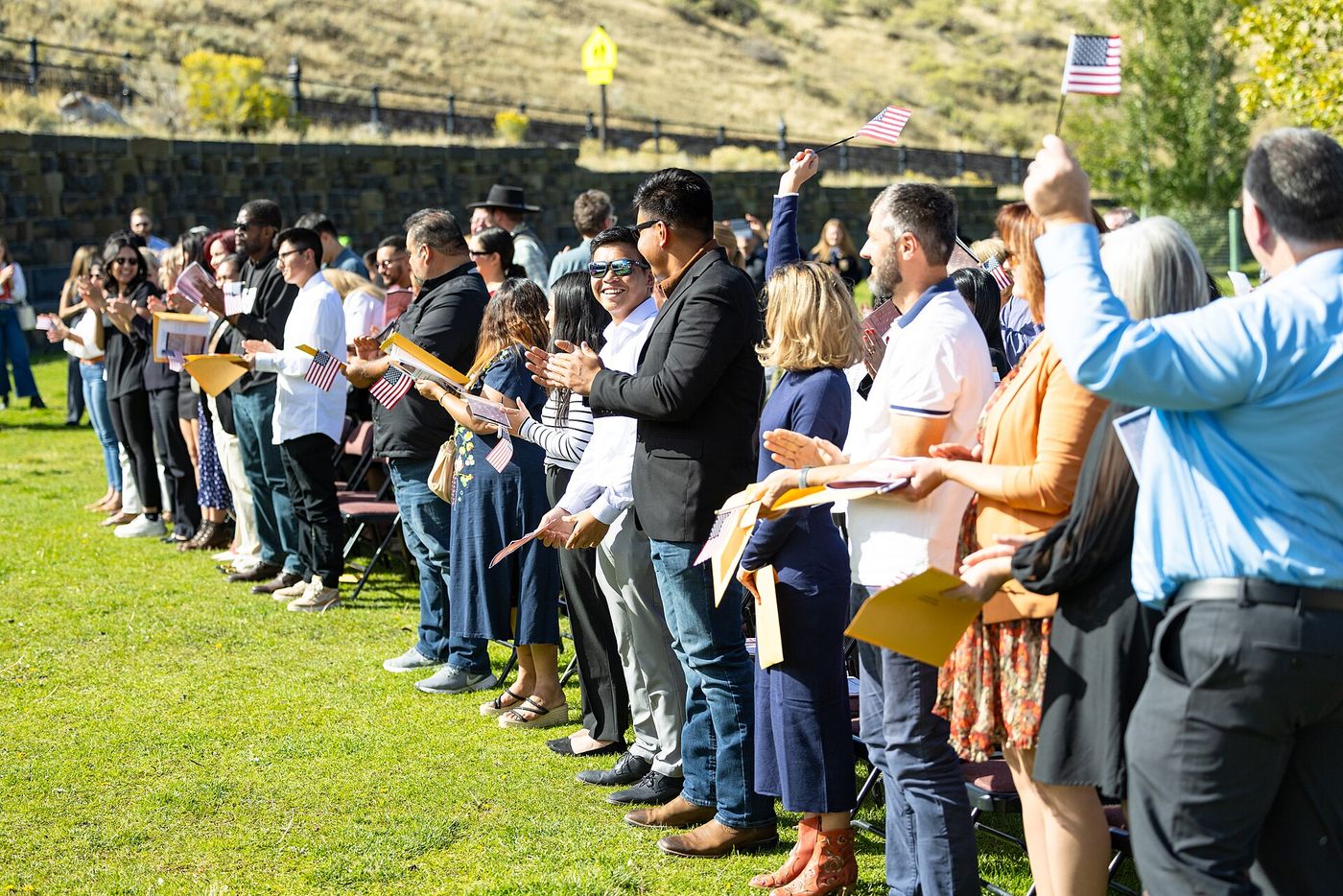
Permanent residents of Utah ready to apply for U.S. citizenship follow the federal naturalization process run by U.S. Citizenship and Immigration Services (USCIS). The rules are the same in every state; what is local is the office where the interview happens and the organizations that help with classes and paperwork.
A Utah resident can apply for naturalization as long as they meet the USCIS general requirements:
Some older long-term residents are exempt from the English test: applicants 50 or older with 20 years as a permanent resident, or 55 or older with 15 years, may take the civics test in their own language. USCIS offers an online eligibility tool, and a green card holder with any arrest, long trip abroad or immigration problem should talk to a licensed attorney or a DOJ-accredited representative before filing.
The application is Form N-400, filed online or on paper. Applicants who receive a means-tested benefit, have household income at or below 150 percent of the Federal Poverty Guidelines, or face financial hardship may request a fee waiver with Form I-912; a reduced fee also exists for some incomes above that line. Fees and income limits change, so check the N-400 and I-912 pages on uscis.gov before filing.
After filing, USCIS sends a receipt notice and then an appointment notice for biometrics (fingerprints, photo and signature), usually at the Application Support Center in Salt Lake City. The appointment notice lists the exact address, and the case can be followed online with the receipt number.
Next comes the naturalization interview, scheduled by USCIS at the Salt Lake City Field Office. An officer reviews the N-400 under oath and gives the English test (reading, writing and speaking) and the civics test on U.S. history and government. An applicant who fails one part is retested on that part, generally 60 to 90 days after the first interview.
If USCIS approves the application, the process ends with the Oath of Allegiance at a naturalization ceremony. The new citizen returns the green card and receives a Certificate of Naturalization, which is the proof of citizenship used for a U.S. passport.
The USCIS "Find an English or Citizenship Preparation Class" tool lists classes and legal service providers by ZIP code. The state-run Utah Citizenship Initiative, through the Governor's Office of Economic Opportunity, points residents to hybrid citizenship courses with the English Skills Learning Center, monthly information sessions, and free N-400 application clinics with partner organizations. The Department of Justice keeps a roster of recognized organizations and accredited representatives in Utah who, like licensed attorneys, may give immigration legal advice; a notario may not.
Keep copies of everything sent to or received from USCIS, bring the green card and every requested document to each appointment, and treat uscis.gov as the final word on current fees, forms and test materials.
General information, not legal, tax or immigration advice. Rules and fees change — check the official source before you act. Spot an error? Tell the desk.
What the Utah Driving Privilege Card allows, who qualifies, and the documents, fingerprints and tests the Driver License Division asks for.
Explainer · 2 min readHow Mexican nationals in Utah book a consular appointment and prepare for a passport, a matricula consular or a birth registration.
How-to · 2 min readHow Utah workers and families without a Social Security number apply for an ITIN, where documents can be checked, and how renewal works.
How-to · 3 min read