Send Money to Mexico
The lowest fee is not always the cheapest transfer. Compare what your family actually receives, and know the rights federal rules give every sender.
Utah Latinos Desk ·The lowest fee is not always the cheapest transfer. Compare what your family actually receives, and know the rights federal rules give every sender.
Utah Latinos Desk ·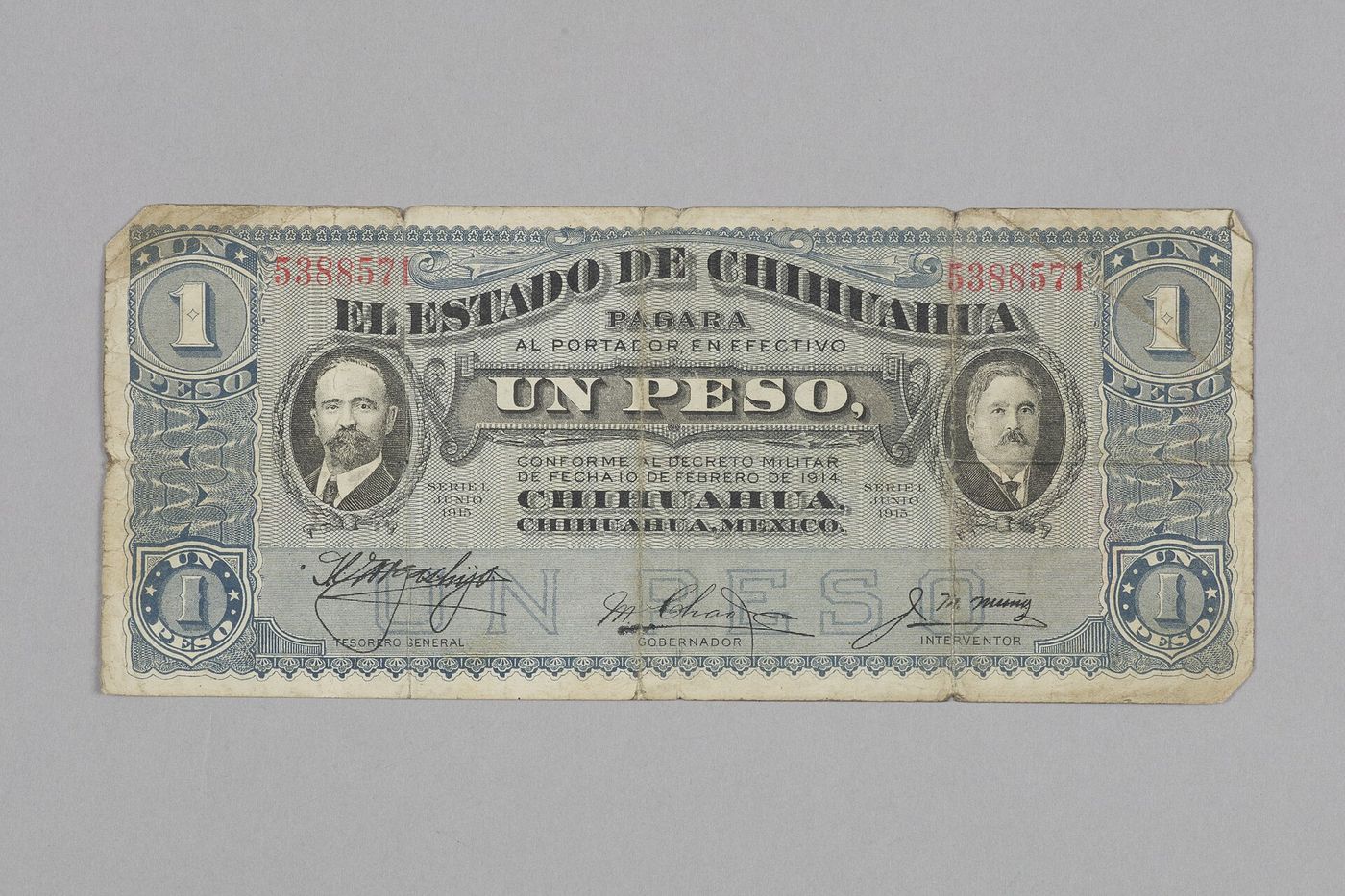
When sending money from Utah to Mexico or other Latin American countries, finding the cheapest option can be challenging. It's tempting to go for the service with the lowest headline fee, but the real cost goes beyond that. You need to factor in the exchange-rate markup and know your consumer rights. Federal rules enforced by the Consumer Financial Protection Bureau (CFPB) require clear disclosures and a cancellation window, and you can use both to compare.
The main options are a money transfer company at a store counter, the same kind of company through a phone app, or a wire from your bank or credit union. On the other end, the money can usually be picked up in cash or deposited into the recipient's bank account, and the price can differ between those two choices, so compare the exact option your family will use.
To find the cheapest way to send money to Mexico from Utah, compare what the recipient will actually get after all the fees and the exchange-rate margin are factored in. The margin is the difference between the rate a company gives you and the market rate, and it is a cost even when the fee says zero. For covered transfers, the provider must give you a disclosure before you pay that shows:
You then get a receipt when you pay. Get the "amount received" figure from two or three providers for the same amount on the same day. That number is the real comparison tool, because a low fee can hide a weak exchange rate.
The federal remittance rule generally covers electronic transfers of more than $15 sent from the U.S. to another country through a provider that handles more than 500 such transfers a year. Under the rule:
Ads offering "free" transfers or "no fees" are not proof of a no-cost transaction. The CFPB has said it is deceptive to market a transfer as free or fee-free when the company still charges fees or makes money through the exchange rate, and fine print does not fix a misleading headline. Suspicion should also go to a provider that promises an exchange rate far better than everyone else.
Scams are the other risk. The Federal Trade Commission warns about calls from someone claiming to be a relative in trouble who needs money right away, sometimes with a voice copied by artificial intelligence. Hang up, call the relative or another family member directly, and never send money to someone you have not met in person. A cash-pickup transfer works like sending cash: once it is collected, it is usually gone.
Before sending, ask one question: what will the recipient get, in their currency, after every fee and the exchange rate? Compare that number across providers, keep your receipt until your family confirms the amount (it lists how to contact the provider, your state regulator and the CFPB), and check the CFPB remittance page for your rights before you pay.
General information, not legal, tax or immigration advice. Rules and fees change — check the official source before you act. Spot an error? Tell the desk.
If a Utah employer did not pay your final check or hours you worked, the Labor Commission's wage claim process may help you recover the money.
How-to · 3 min readTurning a side job into a registered business in Utah takes a few state, federal and city steps, done in the right order.
How-to · 3 min readWhat the Utah Driving Privilege Card allows, who qualifies, and the documents, fingerprints and tests the Driver License Division asks for.
Explainer · 2 min read