Día de Muertos Utah
The Day of the Dead on November 1 and 2 honors loved ones who have died. Here is how the ofrenda works and where Salt Lake families celebrate.
Utah Latinos Desk ·The Day of the Dead on November 1 and 2 honors loved ones who have died. Here is how the ofrenda works and where Salt Lake families celebrate.
Utah Latinos Desk ·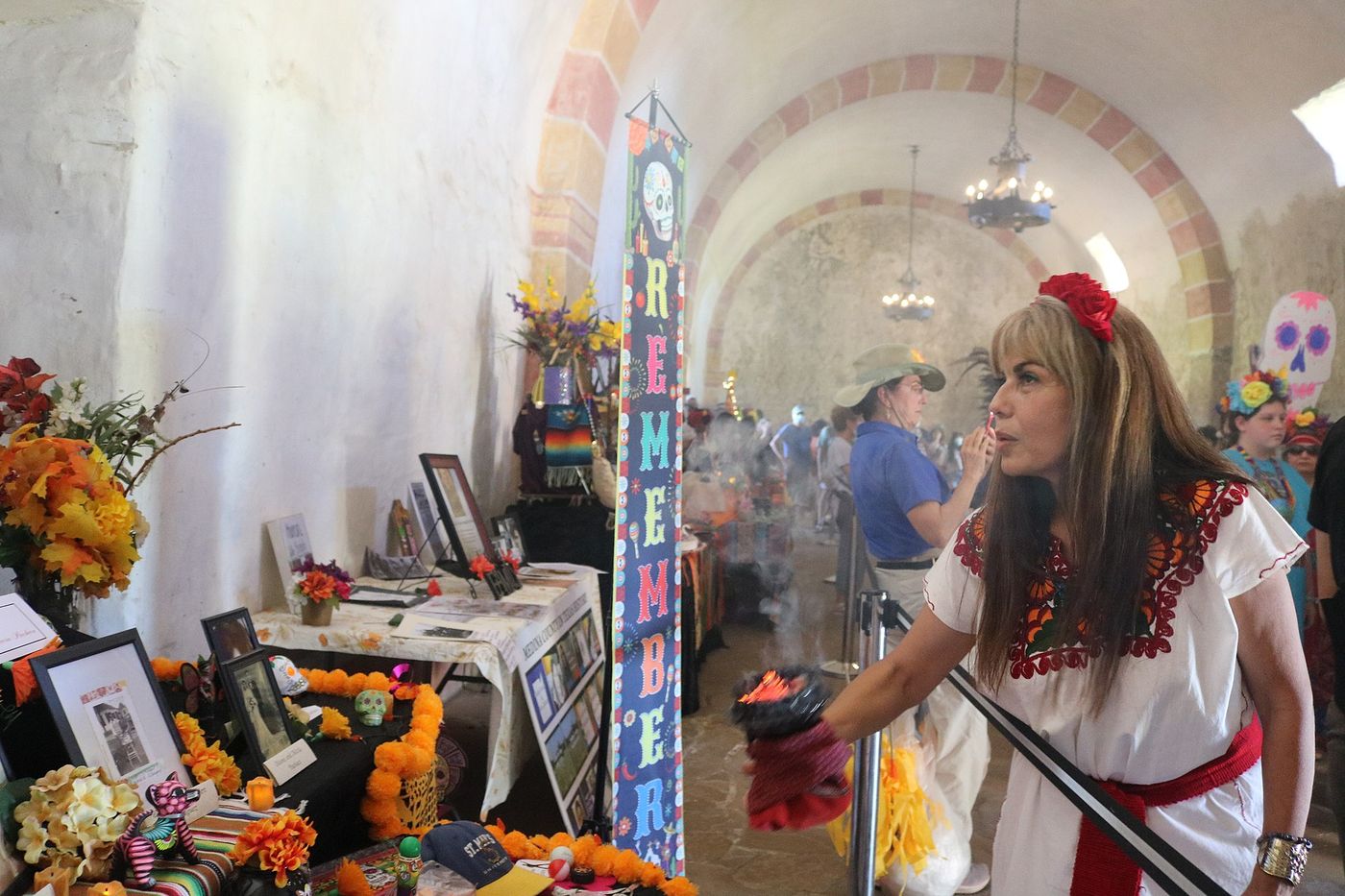
Día de los Muertos, or Day of the Dead, is a celebration honoring loved ones who have died. The holiday falls on November 1 and 2, is celebrated in Mexico and by Mexican and other Latin American families in the United States, and Utah has several community celebrations each fall. The central part is decorating an ofrenda, or altar, and many Salt Lake area events include a public ofrenda, with details changing each year.
The holiday comes from a mix of Indigenous Mesoamerican traditions of honoring the dead and the Catholic calendar brought by the Spanish: All Saints' Day on November 1 and All Souls' Day on November 2. In many places, November 1 is dedicated to children who have died and November 2 to adults. UNESCO added Mexico's Indigenous festivity dedicated to the dead to its list of the Intangible Cultural Heritage of Humanity in 2008.
There is often confusion about the holiday's connection to Halloween. Halloween, on October 31, grew out of European traditions and the eve of All Saints' Day, and in the U.S. it is known for costumes, fright and trick-or-treating. Día de los Muertos is not about fear. It is a time of remembrance, when families believe the spirits of the dead return home for a visit and are welcomed with their favorite things.
When it comes to celebrating the holiday, the central aspect is the ofrenda. Common elements include:
If you want to set up your own ofrenda at home, choose photos of the deceased, arrange cempasúchil to make a path to the altar, and add calaveras, papel picado and pan de muerto. If you do not bake, a Mexican panadería is a good place to buy the bread in late October. What matters most is that the offerings reflect the person being remembered.
The largest long-running celebration in the area is at the Utah Cultural Celebration Center in West Valley City, which has hosted Día de los Muertos for about two decades. It typically includes traditional Mexican dance and music, food, a vendor market, children's crafts such as paper flower making, and altars honoring loved ones.
Other celebrations have included community ofrendas at Salt Lake County Library branches, a La Catrina parade and celebration at Millcreek Common, and ofrenda displays at hospitals, schools and cultural centers. Farther north, mortuaries and community groups in Ogden have held evening events at local cemeteries.
Dates, times and activities change each year, and some events are announced only a few weeks ahead. Check the Utah Cultural Celebration Center, your library system and local news event lists in October before you go, and bring a photo if an event invites the public to add to a community altar.
General information, not legal, tax or immigration advice. Rules and fees change — check the official source before you act. Spot an error? Tell the desk.
Spanish-speaking people have crossed, worked and settled in Utah for nearly 250 years, from Franciscan explorers and New Mexican traders to today's fast-growing community.
History · 2 min readThe dates follow Latin American independence days, the observance grew from a week to a month, and Utah marks it with festivals, campus events and community fiestas.
Explainer · 2 min readSalt Lake City has Spanish-language music stations, a bilingual public radio station, two Spanish TV newsrooms and local news sites with Spanish sections.
Guide · 2 min read