Hispanic Heritage Month Utah
The dates follow Latin American independence days, the observance grew from a week to a month, and Utah marks it with festivals, campus events and community fiestas.
Utah Latinos Desk ·The dates follow Latin American independence days, the observance grew from a week to a month, and Utah marks it with festivals, campus events and community fiestas.
Utah Latinos Desk ·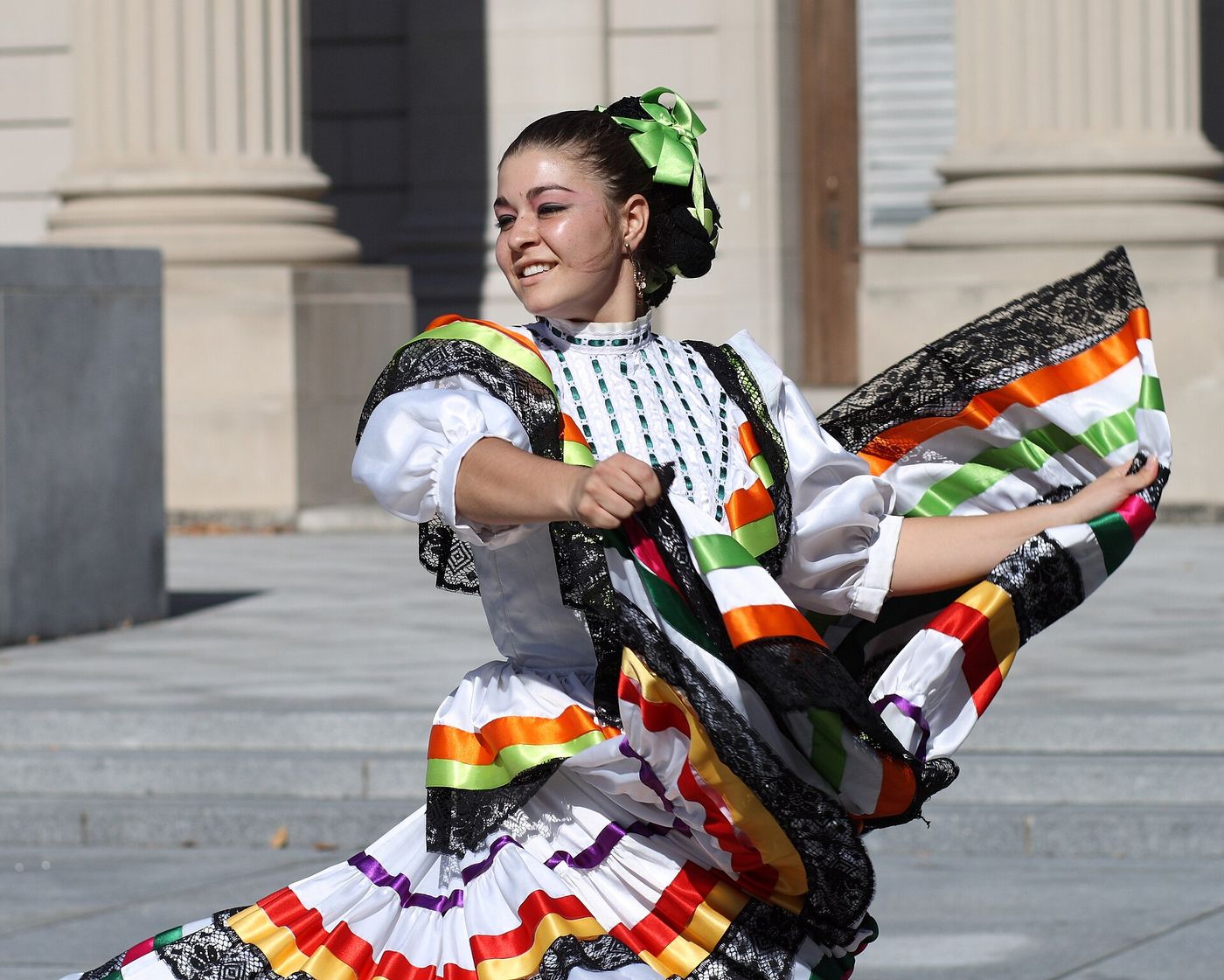
National Hispanic Heritage Month runs from September 15 to October 15 each year, with the dates tied to important anniversaries in Latin American history. In Utah, the observance takes place through a variety of recurring public programs held by universities, libraries, community groups and cities, rather than one fixed statewide event.
The observance began as National Hispanic Heritage Week in 1968. That year Congress passed Public Law 90-498, which asked the President to proclaim each year the week including September 15 and 16, and President Lyndon B. Johnson signed it on September 17, 1968.
In 1988, Congress expanded the week into a month, an idea proposed by Rep. Esteban Torres of California. Public Law 100-402 designated the 31-day period from September 15 to October 15 as National Hispanic Heritage Month, and President Ronald Reagan signed it on August 17, 1988.
The span covers several key independence anniversaries. September 15 marks the independence day of Costa Rica, El Salvador, Guatemala, Honduras and Nicaragua. September 16 is Mexican Independence Day, and September 18 is Chile's independence day. October 12, known in many countries as Día de la Raza, also falls within the month.
The University of Utah observes the month as Latine Heritage Month from September 15 to October 15, with events across campus that have included a student resource fair, mentoring and exhibits at the J. Willard Marriott Library. Utah State University holds its annual Fiestas Américas, and Weber State University has marked the month with a parade and market.
Off campus, the season usually opens with independence celebrations. Community groups such as the Salvadoran and Latino Community of Utah hold fiestas around September 15, the Mexican Consulate in Salt Lake City has hosted celebrations with mariachi and folklórico dance, and the Centro Cívico Mexicano in Salt Lake City has held a reenactment of "el grito," the traditional cry of Mexican independence. Cities and shopping centers from Logan to Sandy and Farmington have added festivals with food, music and dance.
The Utah Division of Multicultural Affairs keeps a list of Latino and Hispanic community organizations in the state, which is a good starting point for finding groups that host events.
For Utahns planning to mark Hispanic Heritage Month, the dates are fixed but the programming changes from year to year. Families, teachers and employers should check university event calendars, local library branches and community organizations each September for current events, dates and locations.
General information, not legal, tax or immigration advice. Rules and fees change — check the official source before you act. Spot an error? Tell the desk.
The Day of the Dead on November 1 and 2 honors loved ones who have died. Here is how the ofrenda works and where Salt Lake families celebrate.
Explainer · 2 min readSpanish-speaking people have crossed, worked and settled in Utah for nearly 250 years, from Franciscan explorers and New Mexican traders to today's fast-growing community.
History · 2 min readSalt Lake City has Spanish-language music stations, a bilingual public radio station, two Spanish TV newsrooms and local news sites with Spanish sections.
Guide · 2 min read