History of Utah Latinos
Spanish-speaking people have crossed, worked and settled in Utah for nearly 250 years, from Franciscan explorers and New Mexican traders to today's fast-growing community.
Utah Latinos Desk ·Spanish-speaking people have crossed, worked and settled in Utah for nearly 250 years, from Franciscan explorers and New Mexican traders to today's fast-growing community.
Utah Latinos Desk ·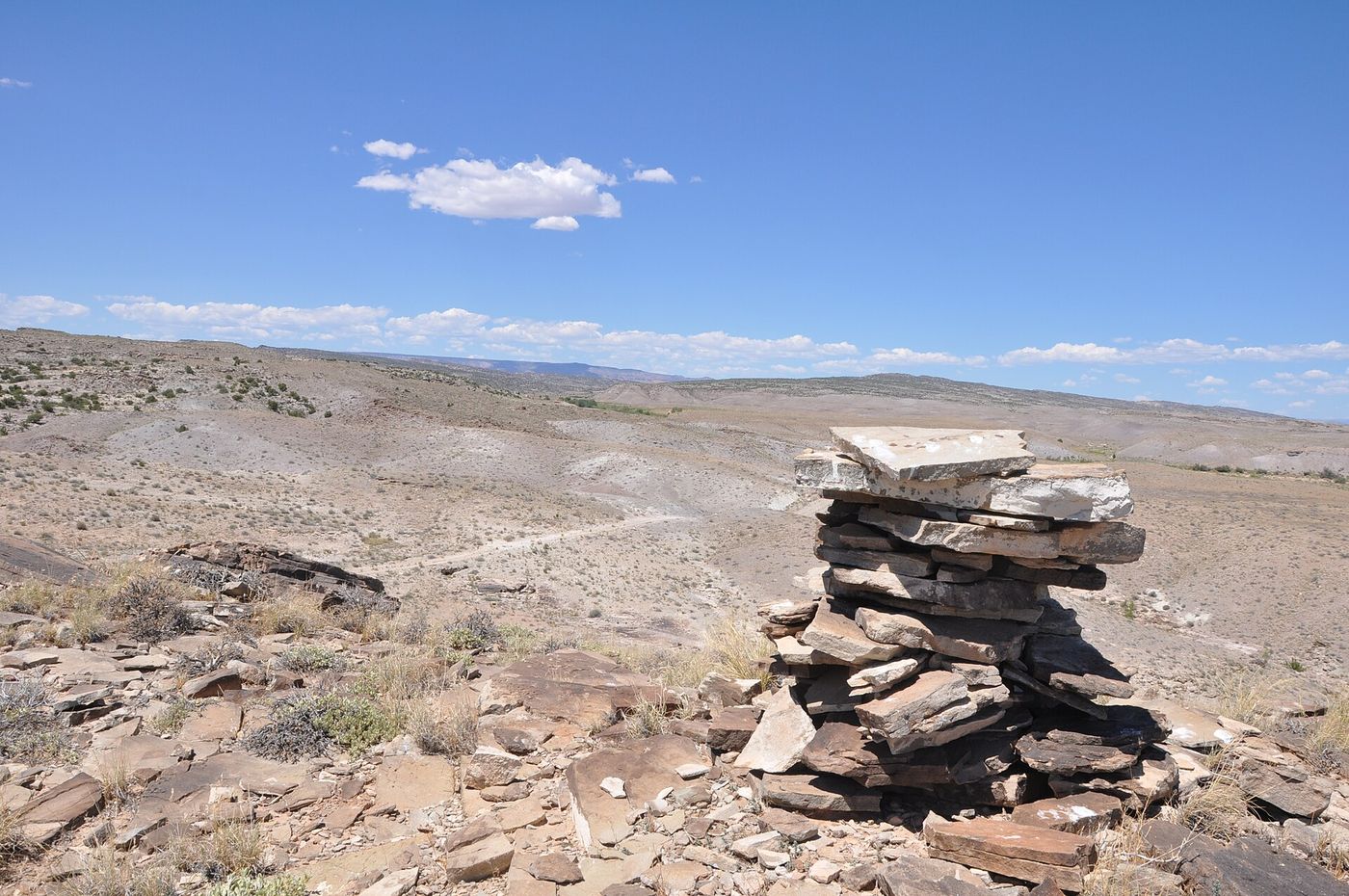
The history of Latinos in Utah begins with the Domínguez-Escalante expedition, which entered present-day Utah in September 1776 on a journey from Santa Fe. Its members were the first people of European descent known to visit Utah, and the records they kept are the oldest written accounts of the region.
The expedition left Santa Fe on July 29, 1776, led by two Franciscan priests, Francisco Atanasio Domínguez and Silvestre Vélez de Escalante, who hoped to find an overland route to the Spanish missions of California. On September 13, 1776, the party crossed the Green River near present-day Jensen, and later that month it reached Utah Valley, where the travelers met Ute people. Throughout the journey, the expedition relied on Native American guides. A half century later, New Mexican traders opened the Old Spanish Trail. In 1829 and 1830, Antonio Armijo led a caravan of about 60 men from Abiquiú, New Mexico, through southern Utah to Los Angeles, crossing the Colorado River at a ford the 1776 expedition had used. Caravans followed the trail nearly every year until 1848, carrying woolen goods west and returning with horses and mules. The trade also included the capture and sale of Native people, a painful part of the trail's history. These traders did not establish permanent settlements in Utah.
The first lasting Hispanic communities came from northern New Mexico. By 1900, families from villages such as Tierra Amarilla and Abiquiú had settled around Monticello in San Juan County, working as sheepherders and ranch hands, and some homesteaded their own ranches and farms.
In the early 20th century, railroads, mines and farms drew Mexican and Mexican American workers to Utah. The Mexican Revolution, which began in 1910, pushed many people north, and Utah's Hispanic population grew from 166 to 1,666 between the 1910 and 1920 censuses. During the 1912 copper strike at Bingham Canyon, the Utah Copper Company brought in Mexican workers as strikebreakers. Most left after the strike, but by 1918 and 1919 large numbers of Spanish-surnamed workers were employed at the mine, and more Latinos were recruited during the labor shortages of World War II.
As the community grew, so did its institutions. Mutual-aid groups such as the Sociedad Honorífica Mexicana worked to protect the rights of Mexican citizens, and Mexican immigrants in Salt Lake City founded the Centro Cívico Mexicano in the 1930s to help new arrivals and keep Mexican culture, traditions and language alive. It remains one of the oldest Hispanic organizations in the state.
Utah's Hispanic population grew fastest in the 1990s, when it more than doubled, according to the Kem C. Gardner Policy Institute at the University of Utah. Growth continued, and the 2020 Census counted 492,912 Hispanic or Latino residents, about 15% of the state's population, up from 358,340 in 2010. Salt Lake County has the highest share: about one in five residents identifies as Hispanic or Latino. Mexican Americans are the largest group, but Utah Latinos trace their roots to about 30 different origins across Latin America and Spain.
For readers who want to go deeper, the Utah Division of State History, the Utah Historical Quarterly archive and oral history collections at Utah universities hold first-hand accounts of the people behind these dates.
General information, not legal, tax or immigration advice. Rules and fees change — check the official source before you act. Spot an error? Tell the desk.
The Day of the Dead on November 1 and 2 honors loved ones who have died. Here is how the ofrenda works and where Salt Lake families celebrate.
Explainer · 2 min readThe dates follow Latin American independence days, the observance grew from a week to a month, and Utah marks it with festivals, campus events and community fiestas.
Explainer · 2 min readSalt Lake City has Spanish-language music stations, a bilingual public radio station, two Spanish TV newsrooms and local news sites with Spanish sections.
Guide · 2 min read